
Surfaces Built for Moisture and Daily Wear
Tile Installation in Hollywood for floors, walls, and wet areas requiring durable, low-maintenance finishes
Tile installation begins with substrate preparation that determines whether grout lines stay intact and whether tiles remain bonded years after installation. GS Building installs tile in Hollywood for kitchens, bathrooms, showers, patios, and entryways where moisture exposure, foot traffic, or temperature fluctuations demand finishes that won't warp, stain, or degrade. You gain surfaces that handle spills, humidity, and daily use without the maintenance requirements of other materials.
The process evaluates whether existing subfloors or walls provide adequate support and moisture resistance. Concrete slabs are tested for levelness and moisture content. Wood subfloors receive cement backerboard to prevent flex that cracks grout. Waterproof membranes are installed in showers and tub surrounds before tile work begins. Tile layout is planned to minimize small cuts along visible edges and to ensure pattern symmetry in large spaces.
Schedule an on-site assessment to review tile options and substrate requirements for your flooring or wall project.
What You Notice Once Tile Work Is Finished
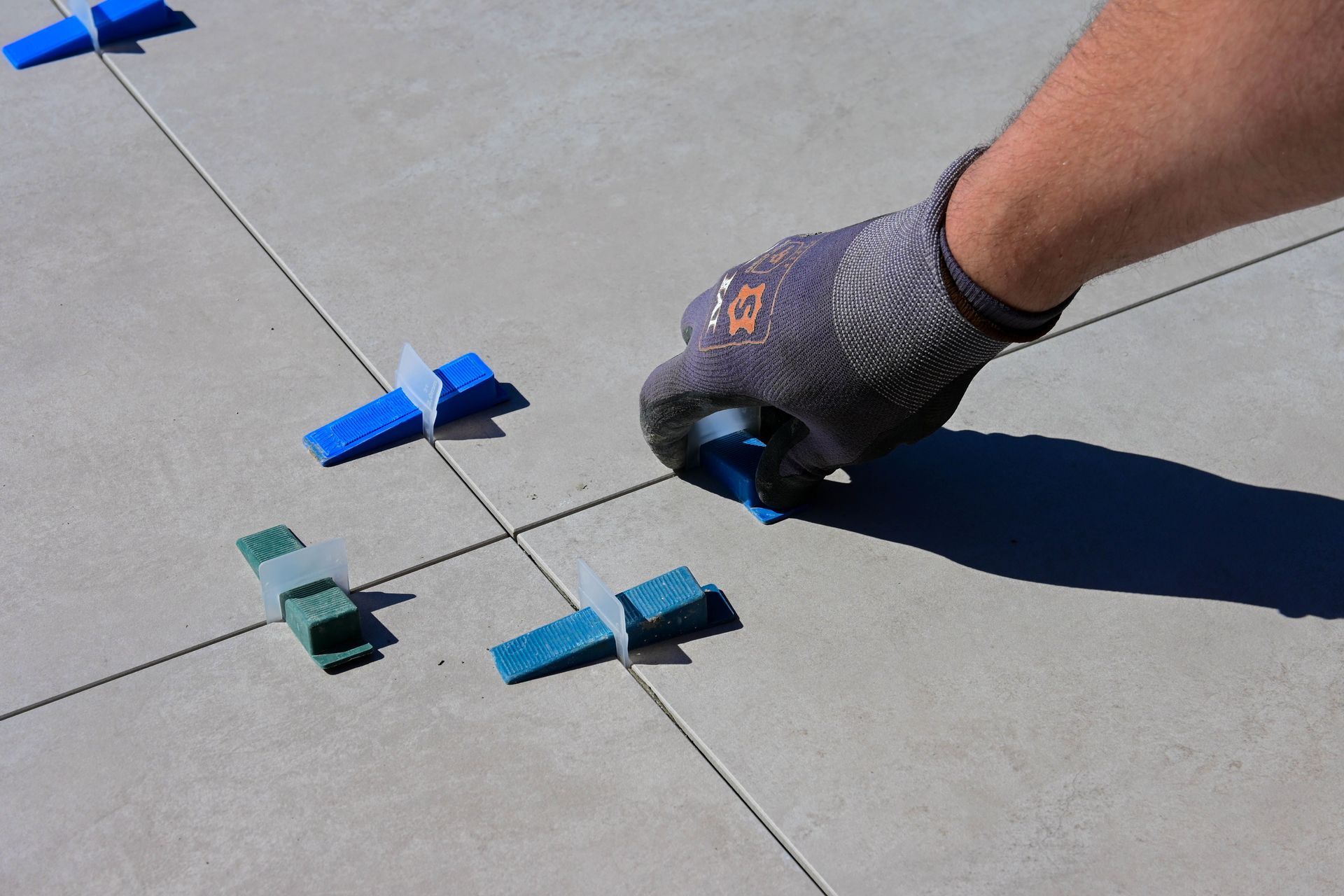
Installation uses thin-set mortar formulated for the tile material and substrate type, with trowel notch size matched to tile dimensions. Spacers maintain consistent grout line width, and tiles are checked for level across the entire surface using straightedges. After mortar cures, grout is applied and excess is removed before it hardens. Grout lines are tooled to a slight concave profile that sheds water, and sealant is applied to porous tile or grout to resist staining.
Finished surfaces feel solid underfoot without hollow sounds when walked on, indicating proper mortar coverage. Grout lines run straight across the room, and tiles align at consistent heights without lippage that catches shoe edges. Water drains toward floor drains or tub edges without pooling, and shower walls shed water without seeping behind tiles. Cleaning requires only damp mopping or wiping, as sealed surfaces resist absorbing spills or soap residue.
Tile selection depends on where the surface will be used. Porcelain resists moisture better than ceramic and suits bathrooms or outdoor patios. Textured finishes prevent slipping in wet areas, while polished tiles work for decorative backsplashes. Large-format tiles reduce grout line maintenance, but smaller mosaics handle curved surfaces or intricate patterns. Color and pattern choices affect how dirt or water spots appear between cleanings.
Questions Before Starting Your Project
Material selection and preparation steps determine how well tile performs over time. These answers clarify what to expect during installation.
What preparation is required before tile can be installed?
Subfloors must be level within industry tolerances, typically one-eighth inch over ten feet. Moisture barriers or cement backerboard are installed over wood subfloors, and existing tile or flooring is removed if it's loose or uneven. Walls are checked for plumb and repaired where necessary.
How does grout choice affect maintenance and appearance?
Epoxy grout resists staining and moisture better than cement-based grout, making it ideal for shower floors or countertops. Grout color can match tile for a seamless look or contrast for visual definition. Wider grout lines are easier to clean but collect more dirt than narrow lines.
Why does Hollywood's climate require specific waterproofing steps?
High humidity and occasional heavy rain increase moisture exposure in bathrooms and outdoor areas. Waterproof membranes behind shower tile and properly sealed grout lines prevent water from reaching substrates, where it can cause mold growth or structural damage.
What tile sizes work best for different applications?
Large tiles reduce grout line maintenance and create a streamlined appearance, but they require flatter substrates and are harder to fit around drains or fixtures. Small tiles conform to sloped shower floors and curved surfaces more easily.
When should tile be replaced rather than re-grouted?
If tiles are cracked, loose, or if water has damaged the substrate beneath, replacement allows for proper waterproofing and substrate repair. Re-grouting only addresses surface appearance and doesn't fix underlying installation or moisture issues.
GS Building applies careful surface preparation and precise installation techniques throughout every tile project. Request a consultation to explore material options and design layouts that enhance both beauty and functionality in your home.