
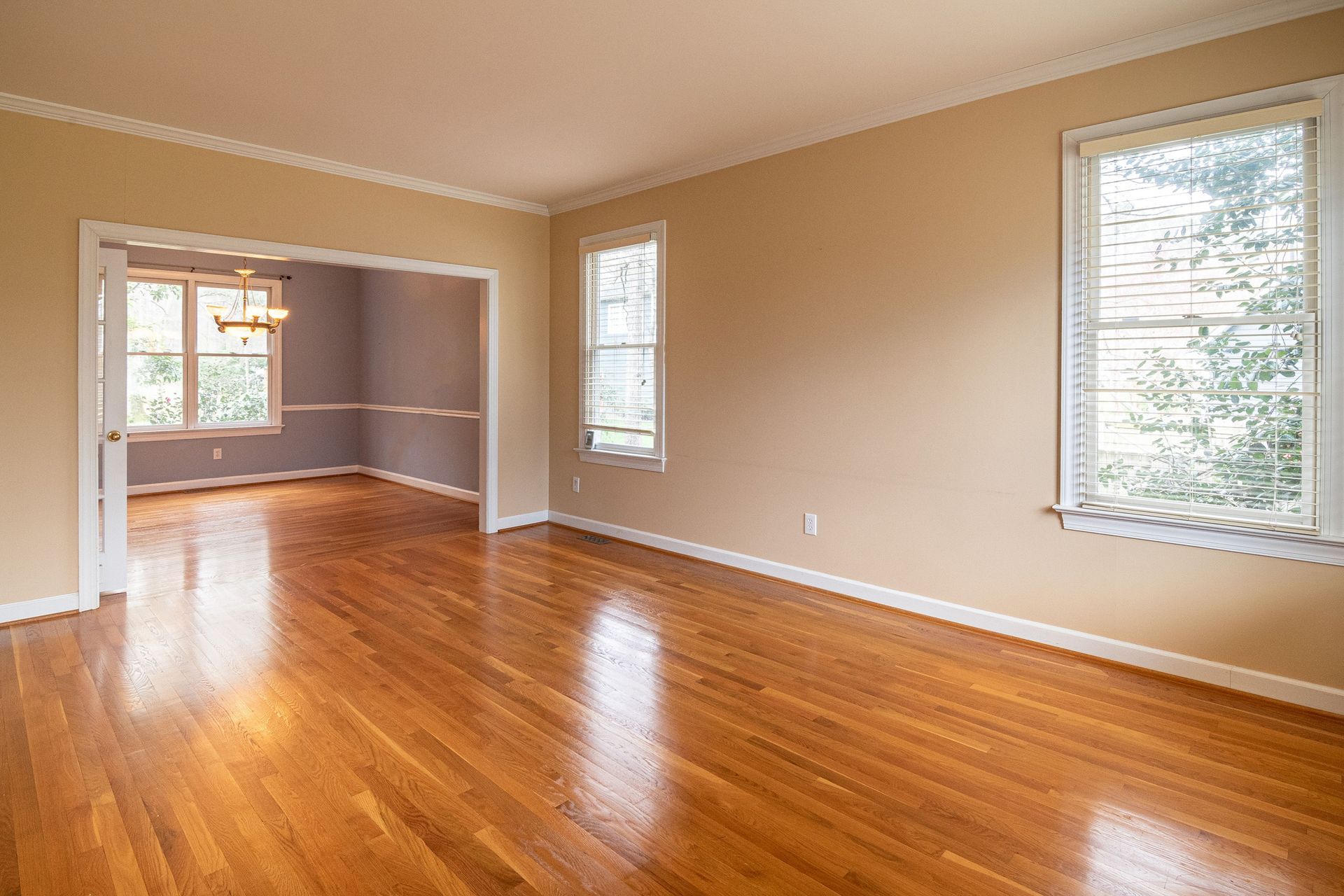
Floors That Hold Up to Everyday Traffic
Flooring Installation in Hollywood for homes where existing floors show wear patterns, water damage, or outdated styles that no longer match updated interiors
Worn flooring shows up as scratched hardwood that no longer buffs out, cracked tile grout that traps dirt despite cleaning, or laminate planks that bubble and warp near doorways where moisture enters. GS Building provides flooring installation in Hollywood for property owners refreshing interiors or repairing damage from leaks, pet activity, or years of heavy foot traffic. This service matters when surface wear has penetrated protective coatings, when subfloor damage requires replacement before new flooring can be installed, or when updated kitchens and bathrooms make existing flooring look dated by comparison.
Professional flooring installation involves subfloor preparation that eliminates squeaks and leveling issues, material selection based on room function and moisture exposure, and precise cutting and fitting that minimizes visible seams. Options include tile for areas where water spills are frequent, hardwood for living spaces where natural grain patterns add warmth, luxury vinyl plank that mimics wood appearance while resisting humidity, and laminate for cost-effective coverage in bedrooms and hallways. Expert installation ensures that expansion gaps prevent buckling, that transitions between flooring types appear clean and level, and that finishes are applied evenly without streaks or missed spots.
Schedule a consultation to review flooring samples and discuss which materials suit your home's layout and your household's activity patterns.
How Proper Installation Improves Durability
The flooring process begins with removing existing materials and inspecting the subfloor for soft spots, uneven areas, or moisture damage that must be corrected before new flooring is installed. Subfloor repairs involve replacing damaged plywood sections, adding fasteners to eliminate movement, and applying leveling compound to smooth high and low spots. This preparation prevents new flooring from flexing, cracking, or developing gaps as the household walks across it daily.
GS Building ensures that tile layouts are planned to avoid narrow slivers along walls, that hardwood planks are acclimated to indoor humidity before installation, and that vinyl planks are cut to fit tightly around doorframes and cabinets without visible gaps. Once installation completes, you notice that floors feel solid without bounce, that tile grout lines remain consistent in width and depth, and that wood grain patterns flow naturally across the room without abrupt color shifts.
Proper installation also accounts for Hollywood's humidity by leaving expansion gaps around the perimeter of hardwood and laminate floors, preventing the buckling that occurs when materials absorb moisture and expand. Transition strips between rooms are installed flush with flooring surfaces to prevent tripping hazards, and baseboards are reinstalled to cover gaps without leaving visible nail holes or uneven paint lines. Updated flooring improves both appearance and functionality by providing surfaces that clean easily, resist staining, and maintain their finish without frequent refinishing or resealing.
What Property Owners Usually Ask
Homeowners planning flooring projects often have questions about material performance, installation timing, and how different flooring types respond to daily use.
What flooring materials perform best in Hollywood's humid climate?
Luxury vinyl plank and porcelain tile resist moisture absorption and maintain dimensional stability even during humid months. Engineered hardwood performs better than solid hardwood in humid environments because its layered construction reduces expansion and contraction. Laminate flooring with waterproof cores can handle occasional spills but should not be installed in areas with standing water exposure.
How does subfloor condition affect the final flooring result?
Uneven or damaged subfloors cause new flooring to flex, which breaks tile grout, separates vinyl plank seams, and creates squeaks in hardwood. Proper preparation includes replacing water-damaged sections, sanding high spots, filling low areas, and securing loose boards. These steps ensure that new flooring sits flat and remains stable under foot traffic.
What maintenance differences exist between tile, hardwood, and vinyl flooring?
Tile requires periodic grout sealing to prevent staining and moisture penetration. Hardwood needs refinishing when surface scratches accumulate and protective coatings wear thin. Luxury vinyl plank maintains appearance with routine sweeping and damp mopping, and damaged planks can be replaced individually without refinishing the entire floor.
Why do transition strips matter between different flooring types?
Transition strips cover the expansion gap required where two flooring materials meet, preventing edges from chipping or lifting. They also create a gradual height change when one flooring type is thicker than another, reducing tripping hazards. Properly installed transitions sit flush with both surfaces and are secured to the subfloor rather than the flooring itself.
When should flooring be replaced rather than refinished?
Replacement is necessary when water damage has penetrated the subfloor, when tile or grout cracks extend across multiple sections, or when hardwood has been refinished so many times that the wear layer is too thin to sand again. Flooring that buckles, cups, or separates from the subfloor also requires removal and reinstallation rather than surface refinishing.
GS Building matches flooring materials to your home's specific needs while ensuring installation quality that extends the life of your investment. Set up an appointment to explore options and receive a detailed estimate based on your square footage and material preferences.